The running cost of an electric vehicle is much lower than an equivalent petrol or diesel vehicle. Electric vehicles use electricity to charge their batteries instead of using fossil fuels like petrol or diesel. Electric vehicles are more efficient, and that combined with the electricity cost means that charging an electric vehicle is cheaper than filling petrol or diesel for your travel requirements. Using renewable energy sources can make the use of electric vehicles more eco-friendly. The electricity cost can be reduced further if charging is done with the help of renewable energy sources installed at home, such as solar panels.
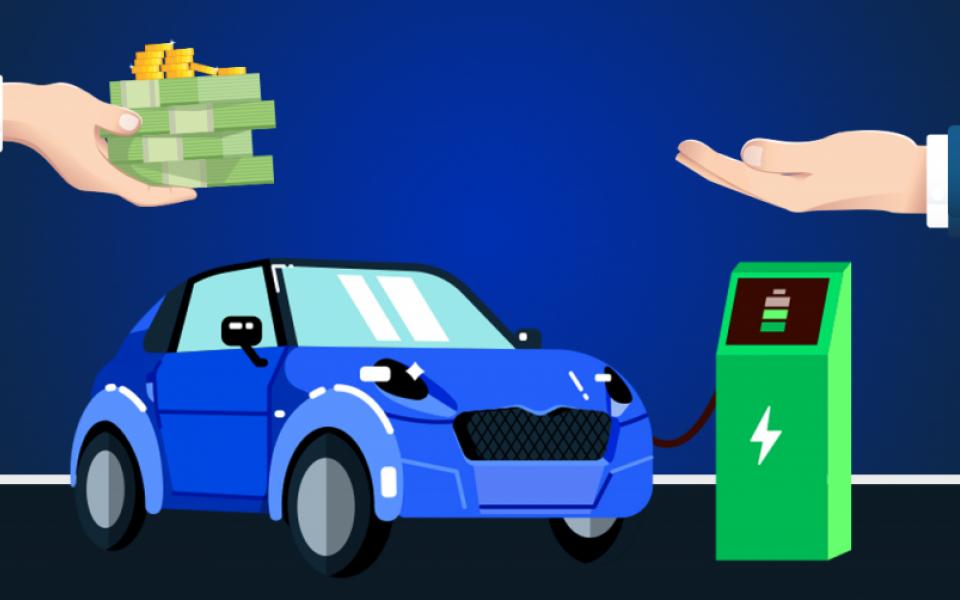

Electric vehicles have very low maintenance costs because they don’t have as many moving parts as an internal combustion vehicle. The servicing requirements for electric vehicles are lesser than the conventional petrol or diesel vehicles. Therefore, the yearly cost of running an electric vehicle is significantly low.
Driving an electric vehicle can help you reduce your carbon footprint because there will be zero tailpipe emissions. You can reduce the environmental impact of charging your vehicle further by choosing renewable energy options for home electricity.
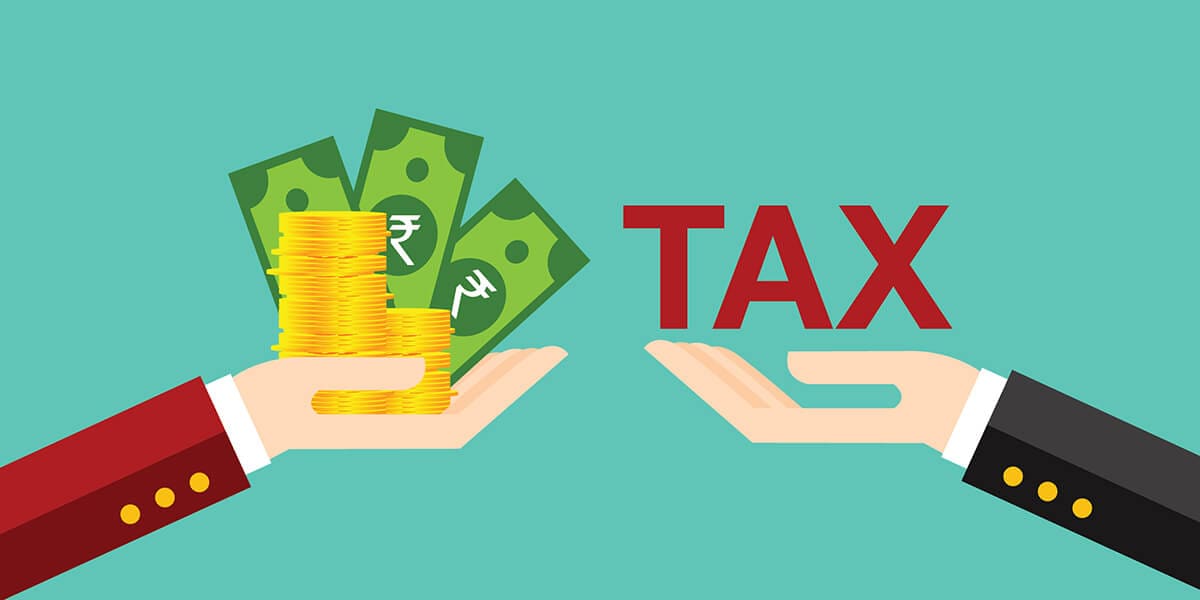
Registration fees and road tax on purchasing electric vehicles are lesser than petrol or diesel vehicles. There are multiple policies and incentives offered by the government depending on which state you are in. To find out more about electric vehicle incentives.
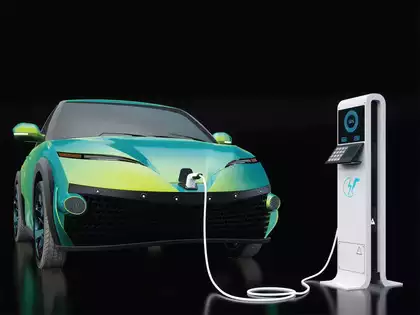
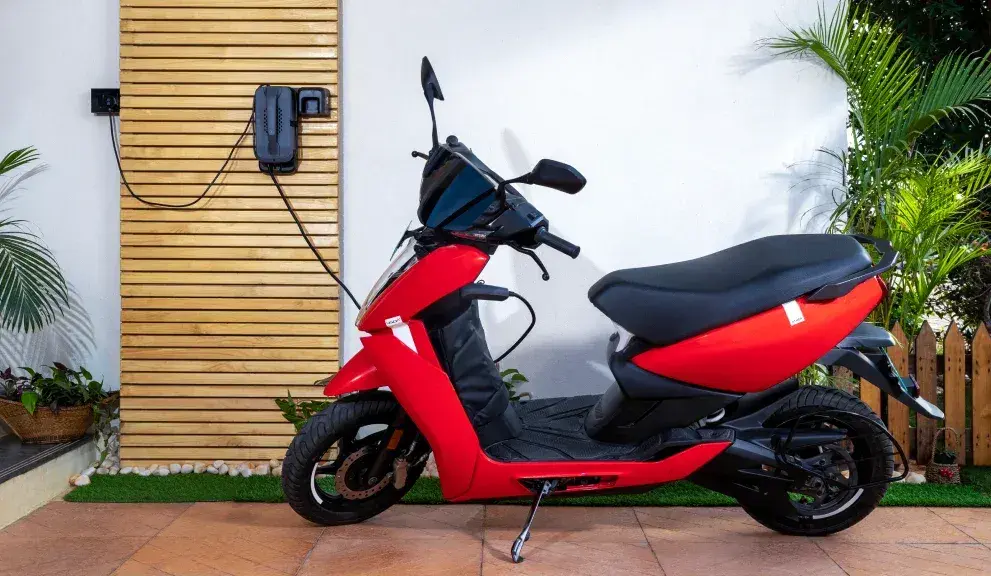
Electric vehicles don’t have gears and are very convenient to drive. There are no complicated controls, just accelerate, brake, and steer. When you want to charge your vehicle, just plug it in to a home or public charger. Electric vehicles are also quiet, so they reduce noise pollution.
Imagine being at a busy fuel station during peak hours, and you are getting late to reach your workplace. These problems can easily be overcome with an electric vehicle. Simply plug your vehicle in at your home charger for 4-5 hours before you plan to go. If you are able to get a charger where you park at home, it is very convenient to plan your journeys in advance. What if you forget to plug in your machine someday? Then you can easily take the help of fast chargers or even battery swapping services if you are on a two-wheeler on the road.
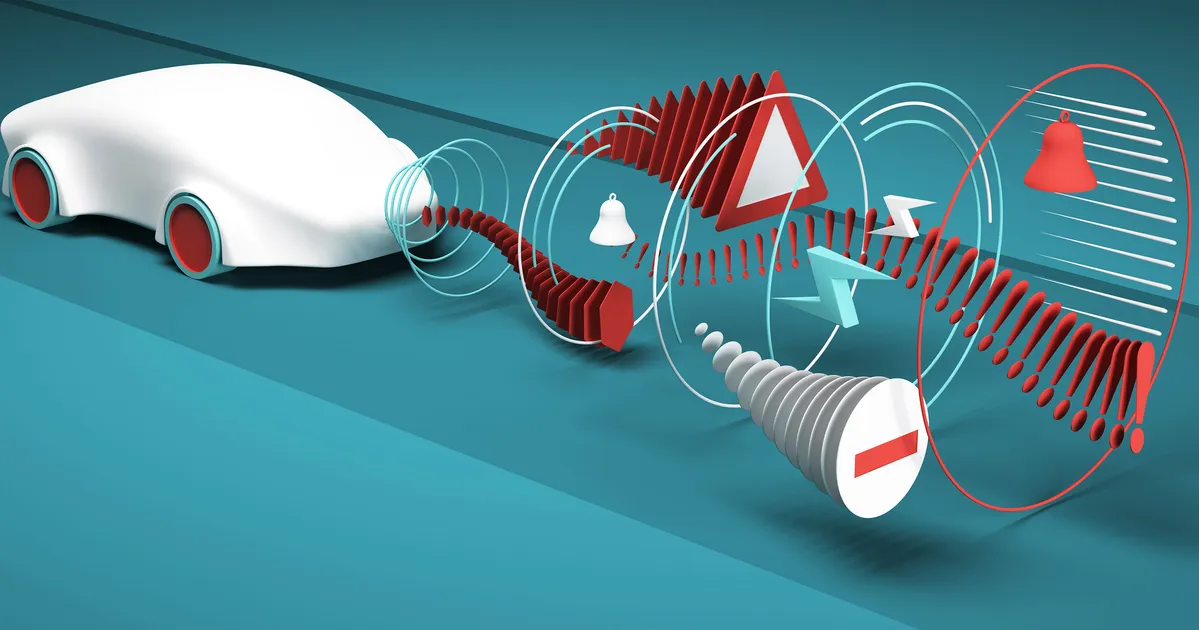
Electric vehicles have the silent functioning capability as there is no engine under the hood. No engine means no noise. The electric motor functions so silently that you need to peek into your instrument panel to check if it is ON. Electric vehicles are so silent that manufacturers have to add false sounds in order to make them safe for pedestrians.
India is the world’s third-largest Automobile market
India’s Automobile Sector
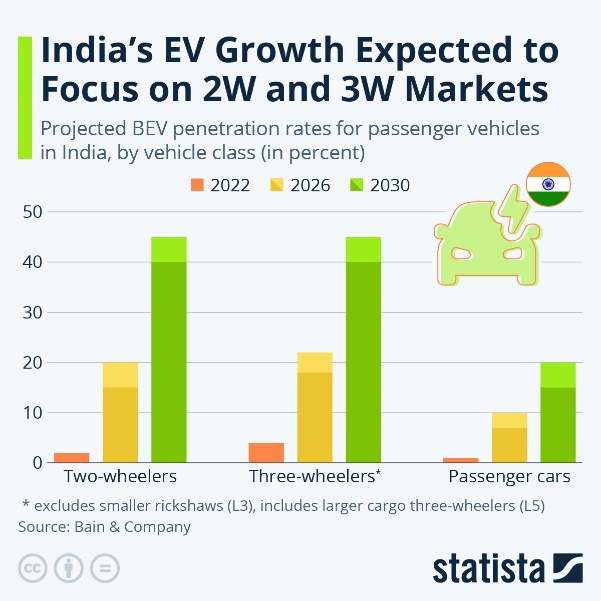
India’s EV market is expected to expand at a compounded annual growth rate (CAGR) of 45.5% between 2022-2030, with the segment’s volumes set to cross annual sales of 16 Mn units by 2030.The EV industry would create 5 Mn direct and indirect jobs by 2030. With battery costs declining faster than anticipated, EV economics become favorable as battery costs decline; the five-year TCO(Total Cost of Ownership) becomes favorable over any alternative in most markets. Additionally, consumers benefit from financial (e.g., subsidies) & non-financial incentives (e.g., road access, registration privileges).
Delhi-Chandigarh highway is the 1st highway in the country which has been made e-vehicle friendly with successful commissioning of 20 Nos. Solar Based EV Chargers by BHEL.
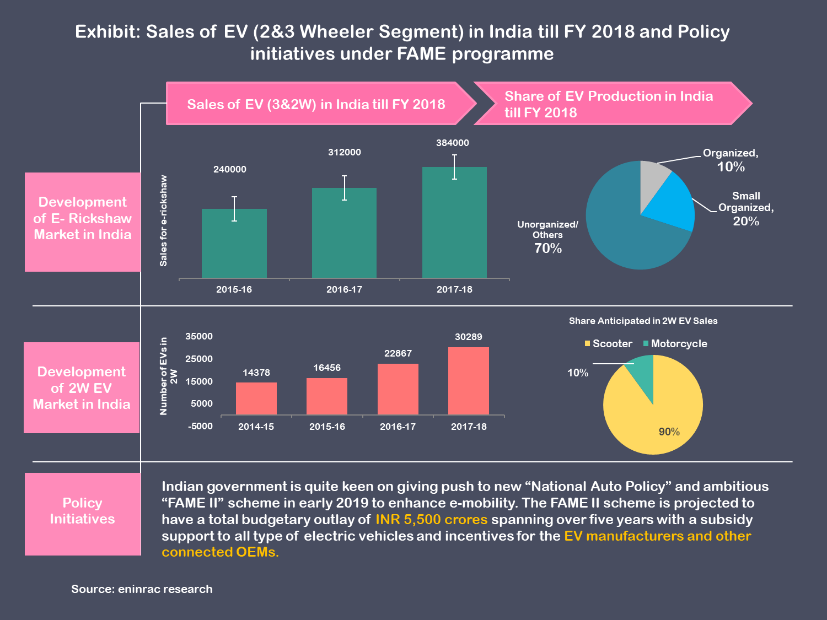
The Government notified Faster Adoption and Manufacturing of Electric Vehicles in India Phase II (FAME India Phase II) Scheme with a budgetary outlay of Rs. 10,000 crore for a period of five years commencing from 1st April, 2019 to promote hybrid/ electric technology in transportation so as to reduce dependency on fossil fuels and to address issues of vehicular emissions. As far as e-Buses, electric three wheelers (e-3W) and electric four wheelers (e-4W) are concerned, the scheme provides subsidy to those vehicles which are used in public transportation or for commercial use. For electric two wheelers (e-2W), privately owned vehicles are also provided with subsidy.
FAME II intends to support 7,090 e-Buses, 5 lakh e-3 Wheelers, 55,000 e-4 Wheeler Passenger Cars (including Strong Hybrid) and 10 lakh e-2 Wheelers.
Automobile and Auto component industry with a budgetary outlay of ₹ 25,938 crore, provides financial incentives to boost domestic manufacturing of Advanced Automotive Technology products including electric vehicles and their components. The scheme provides incentive up to 18% of eligible sales of electric vehicles and their components.
The Government has approved PLI Scheme for manufacturing of ACC in the country with a budgetary outlay of ₹ 18,100 crore. The scheme incentivises the establishment of Giga scale ACC manufacturing facilities in the country for 50 Giga Watt hour (GWh). These ACCs will be used in batteries which are aimed to promote the widespread adoption of EVs.
Production Linked Incentive (PLI) Scheme for Automobile and Auto component industry with a budgetary outlay of ₹ 25,938 crore, provides financial incentives to boost domestic manufacturing of Advanced Automotive Technology products including electric vehicles and their components. The scheme provides incentive up to 18% of eligible sales of electric vehicles and their components.
Production Linked Incentive (PLI) Scheme for Advanced Chemistry Cell (ACC): The Government has approved PLI Scheme for manufacturing of ACC in the country with a budgetary outlay of ₹ 18,100 crore. The scheme incentivises the establishment of Giga scale ACC manufacturing facilities in the country for 50 Giga Watt hour (GWh). These ACCs will be used in batteries which are aimed to promote the widespread adoption of EVs.
GST on electric vehicles has been reduced from 12% to 5%; GST on chargers/ charging stations for electric vehicles has been reduced from 18% to 5%
Ministry of Road Transport and Highways (MoRTH) announced that battery-operated Vehicles will be given green license plates and be exempted from permit requirement for carrying passengers or goods
MoRTH issued a notification advising states to waive road tax on EVs, which in turn will help reduce the initial cost of EVs.
PAN India Delivery available.
Get Online Support 24/7
Return Within 15 Days
Get Vouchers On Products

We manufacture a wide range of products like- Green Automobiles, Televisions, Air Conditioner, Room Heater, Fans, CCTV PA System, Music Board, Coolers, Geyser, Led Lighting, EV 2 Wheelers, E Rickshaw, Networking Cables, Radios, Digital Solutions.

WhatsApp us